
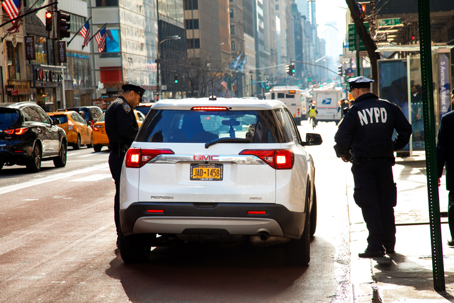
The First Few Minutes of a Traffic Stop Matter
Getting pulled over in New York can make even experienced drivers nervous. Flashing lights in the rearview mirror often trigger panic, confusion, and the urge to start explaining yourself immediately. In many situations, drivers unknowingly make statements or decisions during a traffic stop that later complicate their case.
How you respond during the first few minutes of a traffic stop can have a significant impact on what happens next. Attorney Alex Lonstein advises drivers to “be respectful, be cooperative, but don’t be too overeager to share information.” Remaining calm, polite, and measured during the interaction may help protect both your safety and your legal interests while reducing the likelihood of the situation escalating unnecessarily.
Pull Over Safely & Stay Calm
Once you notice emergency lights or hear a siren, your first priority should be pulling over safely and appropriately. Sudden movements or delayed responses can create unnecessary tension during the stop.
Drivers should:
- Signal clearly before pulling over
- Move to a safe location when possible
- Turn down loud music
- Keep both hands visible
- Avoid reaching suddenly for documents or personal items
- Remain seated unless instructed otherwise
Law enforcement officers are trained to assess situations quickly. Calm behavior often helps keep the interaction more controlled and professional from the start.
Be Cooperative Without Volunteering Information
Many drivers believe they can “talk their way out” of a ticket or DWI investigation by overexplaining themselves. In reality, excessive talking frequently gives officers additional information they may later use in reports or testimony.
It is important to remember:
- You must provide identifying documents when legally required
- You do not have to volunteer unnecessary details
- Casual conversation may still become evidence
- Statements about where you were or what you consumed can later be scrutinized
You can remain polite and respectful without turning the stop into a lengthy discussion about your day, your schedule, or whether you think you were speeding.
Understand What Officers Are Observing During a DWI Stop
During a suspected DWI investigation, officers are paying close attention to far more than your answers to questions. They are often documenting observations intended to support probable cause for arrest.
Officers may look for:
- Slurred speech
- Bloodshot or watery eyes
- Odors allegedly associated with alcohol or marijuana
- Difficulty locating documents
- Nervous or erratic behavior
- Admissions about drinking
- Physical coordination issues
Even seemingly harmless comments can later appear in police reports and court proceedings.
Be Careful with Field Sobriety Testing Situations
Drivers are often surprised to learn how subjective field sobriety testing can become. Balance, medical conditions, fatigue, weather, footwear, stress, and roadway conditions may all affect performance during roadside exercises.
In these situations, officers may request:
- Walk-and-turn tests
- One-leg stand exercises
- Eye movement evaluations
- Preliminary breath testing
The circumstances surrounding these tests often become important issues in DWI defense cases, particularly when the stop itself or the officer’s observations are later challenged.
Avoid Arguing or Becoming Confrontational
Even if you believe the stop was unfair or the officer is mistaken, roadside arguments rarely improve the situation. Escalating the interaction may increase the likelihood of additional scrutiny or charges.
During the stop:
- Stay respectful
- Avoid aggressive language
- Do not physically resist instructions
- Refrain from making accusatory statements
- Focus on remaining composed
Protecting your rights often starts with staying calm enough to avoid making the situation worse.
What You Do After the Stop Also Matters
Once the traffic stop ends, the steps you take afterward can affect your ability to defend yourself later.
As soon as possible, consider documenting:
- The location of the stop
- Traffic and weather conditions
- Statements made by the officer
- Whether testing was performed
- The timeline of events
- Any witnesses who may have been present
Details that seem minor at first may later become important in evaluating whether law enforcement acted properly.
Protect Your Rights with Experienced DWI & Traffic Defense Representation
Traffic stops involving speeding allegations, reckless driving accusations, or suspected DWI offenses can quickly become more serious than drivers initially expect. Statements made during the encounter may later influence charging decisions, plea negotiations, and courtroom proceedings.
At Raiser, Kenniff & Lonstein, our attorneys have the skills, experience, and knowledge to defend clients throughout New York against traffic violations and DWI charges. Our team includes former prosecutors who understand how law enforcement builds these cases and how to challenge weak or improperly obtained evidence.
If you were pulled over in New York and are facing a traffic or DWI-related charge, call (888) 646-0025 or contact us online to discuss your legal options with an experienced defense attorney.