
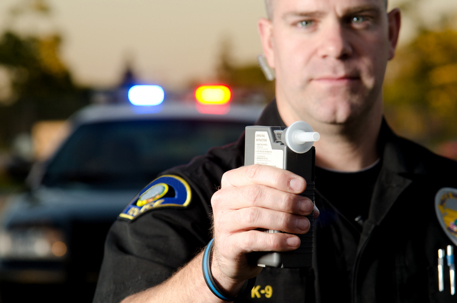
Refusing a Breath Test in New York Can Trigger Immediate Consequences
During a DWI stop in New York, many drivers wonder whether they are legally required to take a breathalyzer test. Some believe refusing the test automatically helps their case, while others assume refusal itself is a criminal offense.
The reality is more complicated.
New York’s implied consent laws allow law enforcement and the Department of Motor Vehicles to impose serious consequences when a driver refuses chemical testing after a lawful DWI arrest. At the same time, agreeing to testing may provide prosecutors with evidence they later use in court.
Understanding the potential consequences before making decisions during a DWI investigation is important because what happens at the roadside can affect both criminal proceedings and your driving privileges.
What Is New York’s Implied Consent Law?
Under New York law, anyone who operates a motor vehicle is generally considered to have given implied consent to chemical testing if lawfully arrested for DWI.
Chemical testing may include:
- Breath testing
- Blood testing
- Urine testing in certain circumstances
If an officer has reasonable grounds to believe a driver was operating a vehicle while intoxicated or impaired, they may request a chemical test following the arrest.
Can You Legally Refuse a Breathalyzer Test?
Technically, a driver can refuse to submit to a chemical breath test in New York. However, refusal carries significant administrative and legal consequences.
A refusal may lead to:
- Immediate license suspension
- Civil penalties and fines
- Revocation of driving privileges
- Use of the refusal as evidence in court
- Additional complications during DWI prosecution
Refusing the test does not guarantee that prosecutors will lack evidence. Officers may still rely on observations, witness statements, body camera footage, field sobriety testing, and other evidence when pursuing charges.
Refusal Penalties Can Be Severe Even for First-Time Drivers
Drivers are often surprised to learn that refusal penalties may apply regardless of whether they are ultimately convicted of DWI.
Potential refusal-related consequences may include:
- One-year license revocation for a first refusal
- Civil penalty assessments
- Longer revocation periods for prior alcohol-related incidents
- Additional restrictions on conditional driving privileges
For drivers with prior DWI-related history, the penalties associated with refusal may become even more serious.
Refusal Does Not Automatically Prevent Criminal Charges
Some drivers refuse chemical testing because they believe prosecutors cannot move forward without a breathalyzer result. In reality, New York prosecutors regularly pursue DWI cases based on other forms of evidence.
Prosecutors may attempt to rely on:
- Officer testimony
- Alleged driving behavior
- Physical appearance observations
- Statements made during the stop
- Field sobriety testing results
- Witness accounts
- Video evidence
Refusal may also be presented by prosecutors as evidence suggesting consciousness of guilt, depending on the circumstances.
Timing & Circumstances Often Matter in DWI Cases
Not every refusal case is legally straightforward. DWI investigations involve procedural requirements that law enforcement officers must follow carefully.
Important legal issues may involve:
- Whether the traffic stop itself was lawful
- Whether officers properly warned the driver about refusal consequences
- Timing of the chemical test request
- Probable cause for arrest
- Constitutional concerns involving the investigation
These details may become highly important when evaluating possible defenses or challenging administrative license penalties.
A Refusal Hearing Is Separate from the Criminal Case
Many drivers do not realize that refusal allegations often trigger separate DMV proceedings in addition to the criminal court case.
During a refusal hearing, issues may include:
- Whether the officer had lawful grounds for the stop and arrest
- Whether proper warnings were given
- Whether the refusal was clear and unequivocal
- Whether procedures were properly followed
The outcome of the DMV hearing can significantly affect a driver’s license status even before the criminal case concludes.
Protect Your Rights with Experienced DWI Defense Representation
Breathalyzer refusal cases involve criminal defense issues and administrative license consequences that can quickly become complicated. Decisions made during a traffic stop may affect your ability to drive, your criminal exposure, and your long-term record.
At Raiser, Kenniff & Lonstein, our attorneys bring more than 100 years of combined experience to defending clients facing DWI charges throughout New York. As former prosecutors, we understand how these investigations are conducted and how to challenge weaknesses in the government’s evidence.
If you refused a breathalyzer test or were arrested for DWI in New York, call (888) 646-0025 or contact us online to discuss your legal options with an experienced defense attorney.